China's PDD misses revenue estimates as e-commerce demand softens

China's PDD misses revenue estimates as e-commerce demand softens

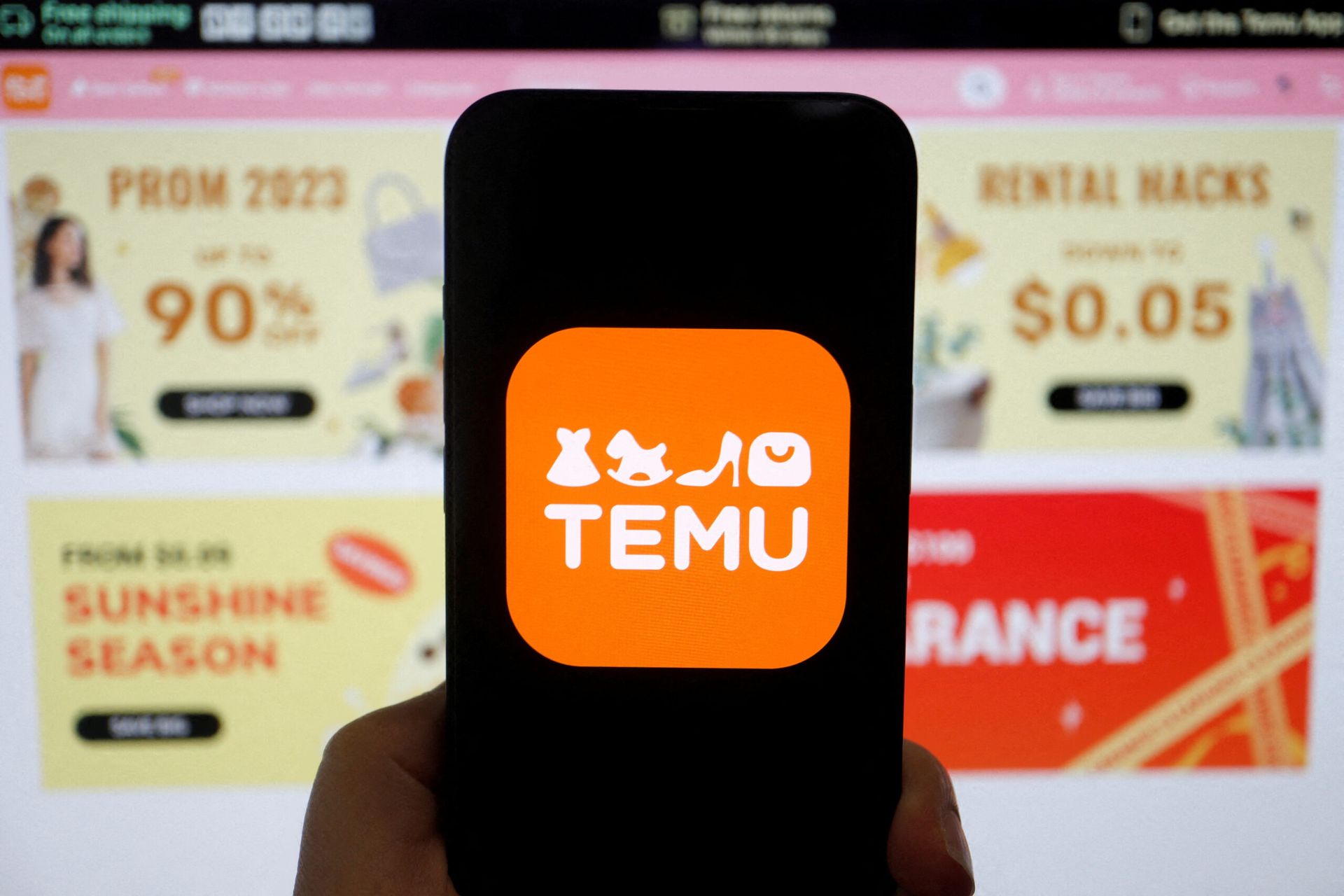
FILE PHOTO: The logo of Temu, an e-commerce platform owned by PDD Holdings, is seen on a mobile phone displayed in front of its website, in this illustration picture taken April 26, 2023. REUTERS/Florence Lo/Illustration/File Photo

Chinese e-commerce group PDD Holdings reported a 15% fall in first-quarter net income and revenue that missed market estimates on Wednesday, as lingering economic weakness dented demand at its domestic discount marketplace, Pinduoduo.

Shares of the company, which also operates the Temu e-commerce platform internationally, fell nearly 5% in U.S. premarket trading.

Chinese retailers have been struggling to attract consumers as a prolonged property crisis and concerns about jobs and wage growth have hammered spending power, crimping demand at companies such as PDD.

PDD is also facing stiff competition from rivals JD.com and Alibaba as well as discount retailers such as ByteDance’s Douyin, which have all rolled out steep promotions and discounts to lure customers.

It has invested heavily in its supply chain network in a bid to improve delivery speeds and expand product categories, seeking to attract more shoppers.

In March, PDD said it would invest 100 billion yuan ($14.8 billion) over the next three years to build a new self-operated brand, called Xinpinmu, integrating Pinduoduo’s supply chain resources with Temu.

Those investments have driven up expenses at PDD, dragging its net income attributable to ordinary shareholders down 15% to 12.5 billion yuan in the quarter ended March 31.

It reported total revenue of 106.23 billion yuan in the quarter, falling short of analysts’ average estimate of 109.33 billion yuan, according to data compiled by LSEG.

“As we head into the next decade of our journey, supply chain investments will be our core strategic priority … We will commit significant resources to building the first-party brand business,” PDD co-CEO Jiazhen Zhao said in a statement.

Temu, meanwhile, has emerged as a popular platform for shoppers to buy everything from shoes to homeware at low prices, capturing demand from lower-income households globally.

While growth remains strong in many of the markets that Temu operates in, the company’s low-cost model of shipping cheap goods to customers directly from China is facing growing regulatory scrutiny.

Temu’s model until now has relied on duty waivers for low-value parcels in many jurisdictions, which has sparked a ​backlash from retailers from Germany to Argentina, who say companies such as Temu, ​Shein and Alibaba-owned ⁠AliExpress have an unfair price advantage.

Reuters

Bring stories like this into your inbox every day.

Sign up for our newsletter - The Daily Brief
Subscribe to Newsletter


This is your last free story for the month. Register to continue reading our content