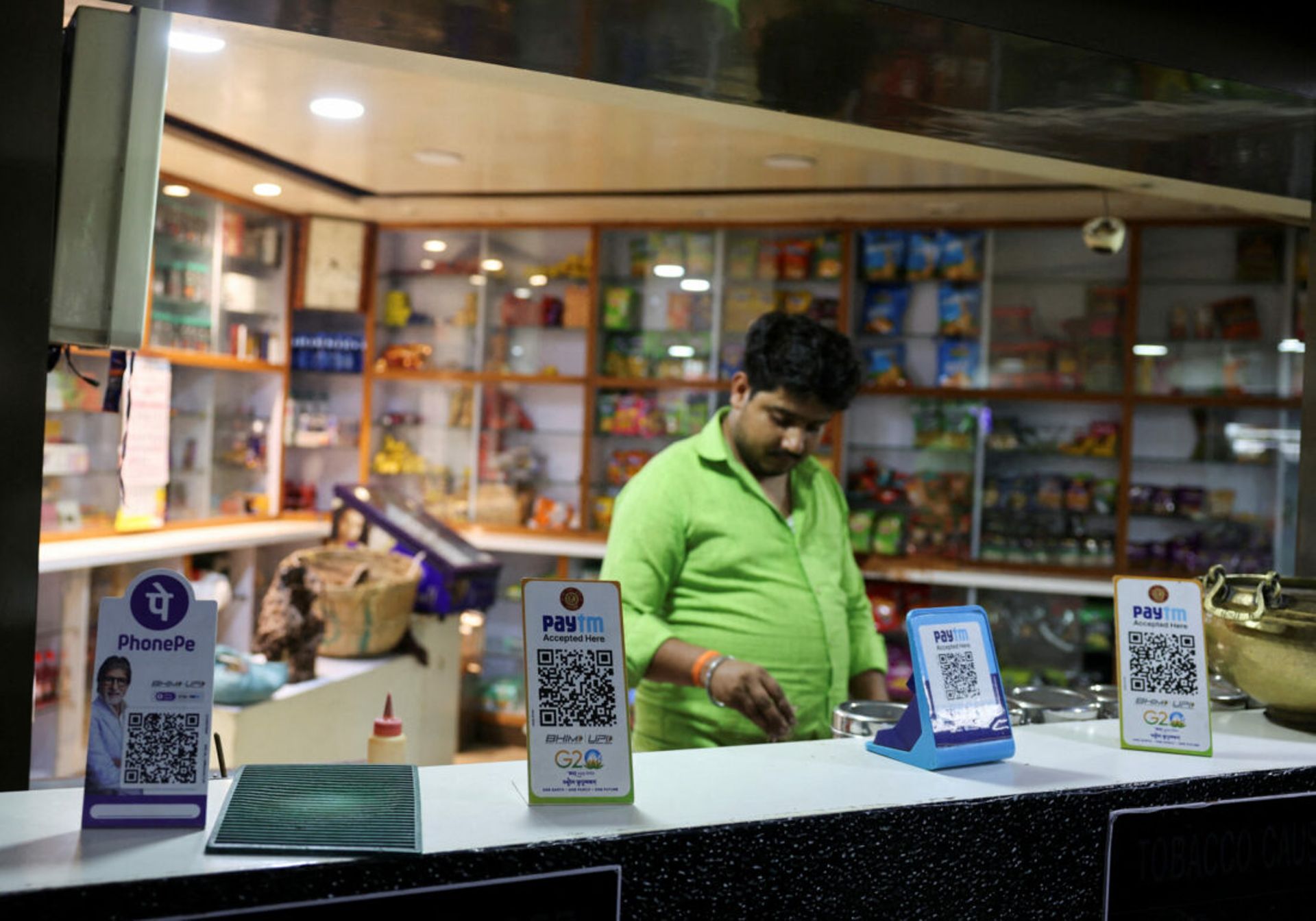
India’s decision to start charging some merchant payments under its popular Unified Payments Interface has drawn opposition from retailer bodies, with businesses warning the move could squeeze margins ahead of a crucial festival period.
On Tuesday, the National Payments Corp said it would charge a 0.4% merchant fee on transactions above Rs 2,000 ($20), ending more than six years of zero-cost payments that fuelled UPI‘s rapid adoption. The move has been backed by the federal government and central bank.
The Retailers Association of India, a lobby representing India’s organised retailers, said on Wednesday the fee could encourage merchants to favour cash. Indians typically boost spending during festivals that fall in October and November.
“Small merchants will now think twice about whether to accept cash or UPI,” RAI chief executive Kumar Rajagopalan said in a statement. Many festive-season purchases exceed 2,000 rupees, making cash “the path of least resistance” for retailers operating on thin margins, he said.
A public-interest lawsuit has been filed in India’s Supreme Court by a lawyer, seeking suspension of the new framework, arguing it was introduced without adequate statutory authority, transparency or safeguards for merchants and consumers.
The Clothing Manufacturers Association of India, a grouping representing apparel manufacturers, said the change could not have come at “a more challenging time.”
Consumer-facing businesses were trying to revive demand and improve margins, CMAI President Santosh Katariya said.
Share market woes
The new framework could challenge the economics of broking, Nithin Kamath, the chief executive of one of India’s largest retail stockbrokers, Zerodha, said in an X post.
Capital-market transactions, including payments to stockbrokers, mutual funds and securities dealers, will attract a merchant fee of 0.02% of transaction value, capped at 300 rupees, as per the new rules.
“If every UPI transfer starts carrying an additional cost, irrespective of whether the customer actually trades, I don’t see how we can absorb this indefinitely,” Kamath said.
Reuters