Singapore biotech venture builder NeoSci Ventures (NSV) has announced raising S$70 million ($53 million) in the first close of its inaugural institutional venture fund.
The vehicle targets biotechnology and healthcare companies developing new therapies and technologies across the US and Asia, per the announcement.
The fund attracted backing from sovereign and government-linked investment institutions, publicly listed companies, family offices and entrepreneurs, including Taiwan’s National Development Fund, Singapore-based EDBI, Catcher Technology, and Crescendas Group, NSV said.
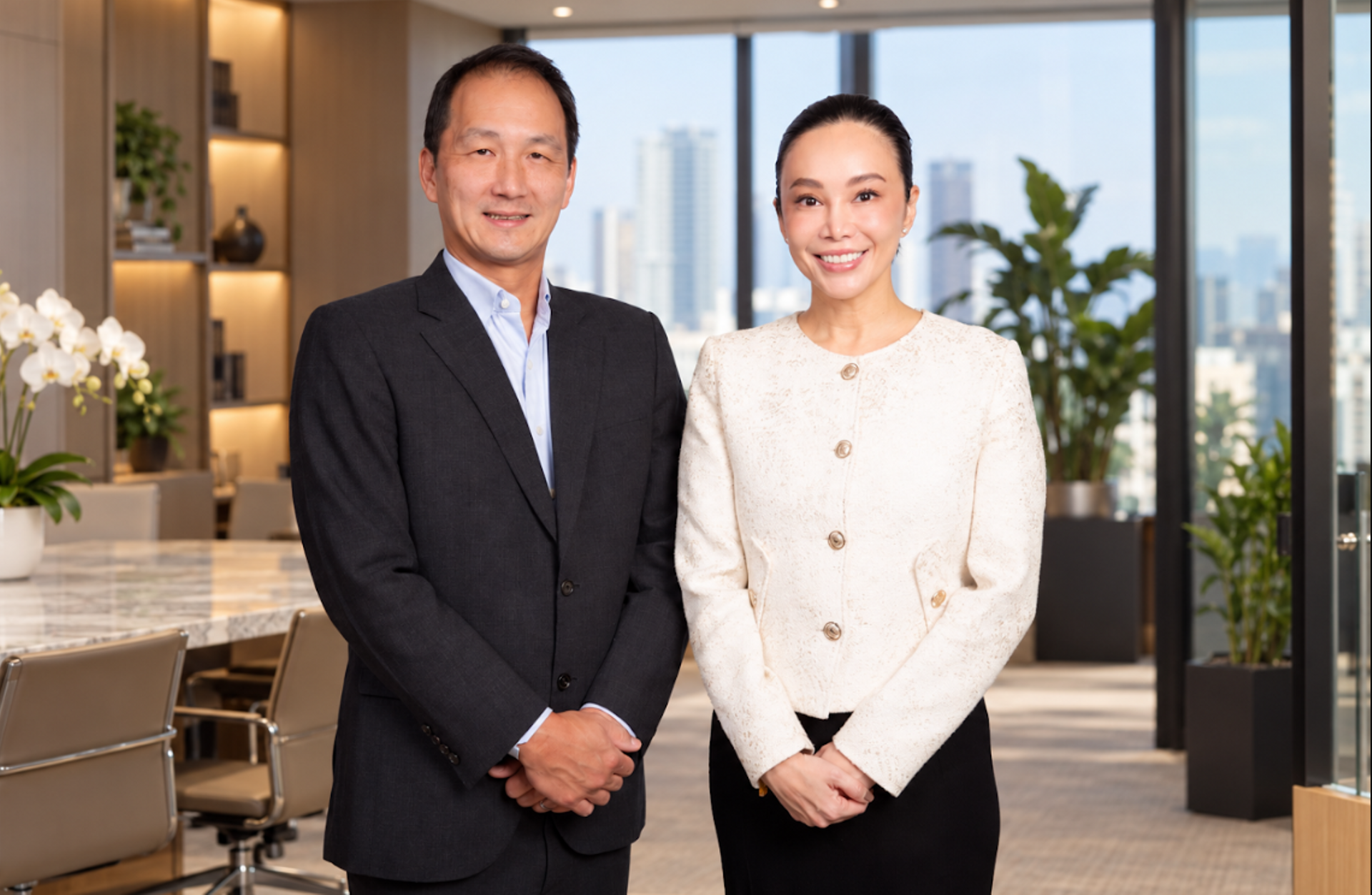
NSV, which operates across Singapore, Taiwan and the US, is led by founding managing partner Daphne Teo and founding chief scientist Timothy Lu.
The team has spent 15 years building and investing in biotechnology companies, contributing to businesses that have raised billions of dollars and achieved 10 public listings and acquisitions. Its team is also behind NSG BioLabs, a co-working laboratory platform serving around 70 biotechnology companies and multinational companies in Singapore.
NSV said it plans to invest in therapeutic candidates and technologies at the intersection of biology, artificial intelligence, data and scientific tools. It will draw on networks in the US and Asia to identify drug development opportunities, including assets emerging from Asian biotechnology companies that could help pharmaceutical groups replenish their pipelines.
The firm has already deployed capital from the new fund into two companies. One is Protuoso, which NSV co-founded to develop protein-based therapeutics for complex diseases. It did not disclose the second investment.
The fund will also target breakthrough technologies at the convergence of biology, AI, data and scientific tools that are changing how diseases are understood and medicines are developed.
“We aim to spot the most promising opportunities early, bring together the right teams and resources and turn promising discoveries into real products that reach patients worldwide,” Lu, the firm’s founding chief scientist, said.