Australia's Syenta raises $26m to ease AI chip bottleneck

Australia's Syenta raises $26m to ease AI chip bottleneck

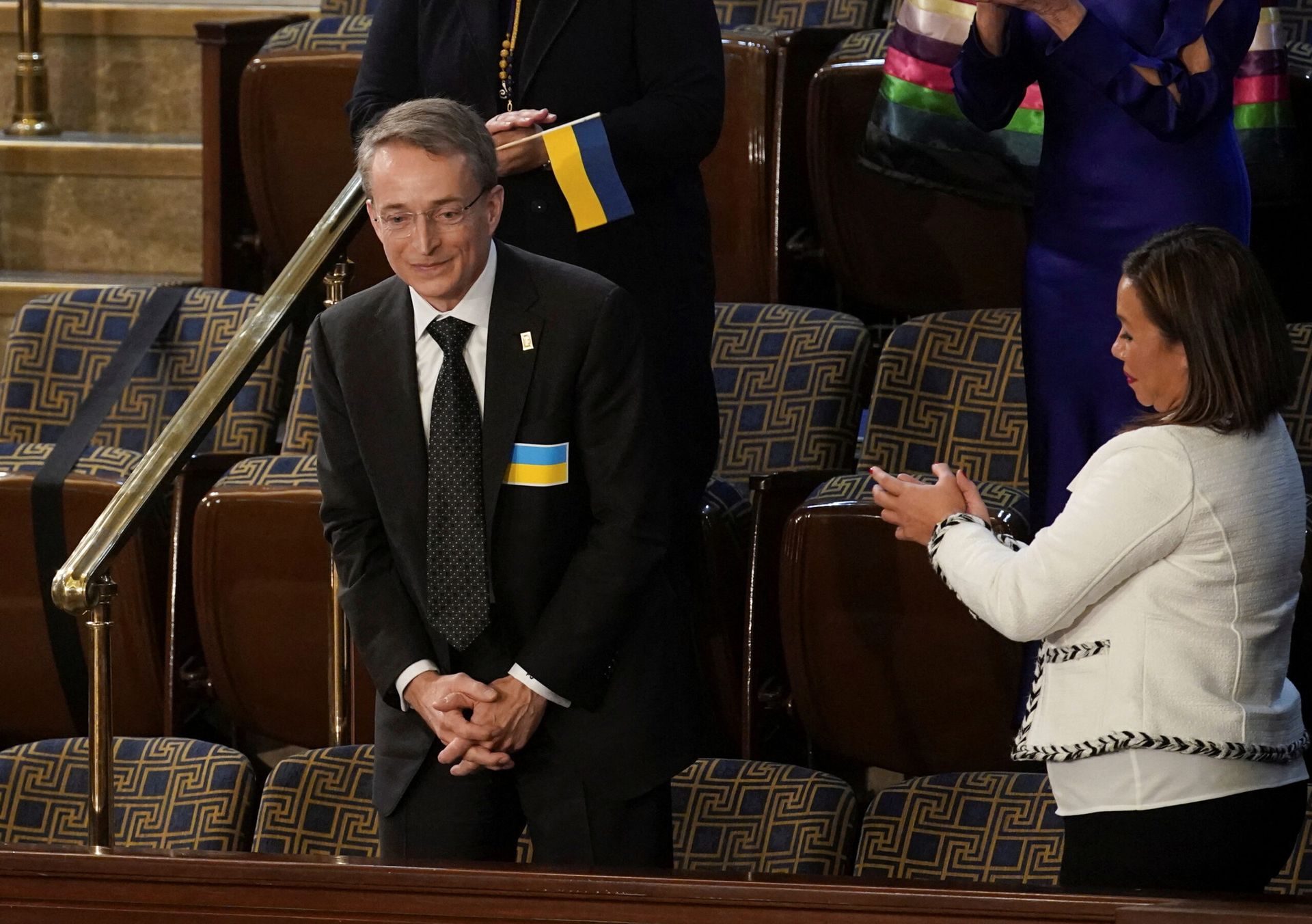
FILE PHOTO: Intel CEO Patrick "Pat" Gelsinger attends the State of the Union address by U.S. President Joe Biden at the U.S. Capitol in Washington, DC, U.S, March 1, 2022. Al Drago/Pool via REUTERS/File Photo

Syenta, an Australian semiconductor technology startup, said on Tuesday that it has raised $26 million for a new manufacturing technique that could help ease persistent supply chain bottlenecks for artificial intelligence.

Along with the funding, the company said it will open an office in the U.S. state of Arizona, near the manufacturing facilities of Intel and Taiwan Semiconductor Manufacturing Co, and that former Intel CEO Pat Gelsinger will be joining its board of directors.

Modern AI chips such as those from Nvidia, Google and others are not a single chip, but rather multiple chips bonded together with what is known as advanced packaging technology, mostly from TSMC. Packaging has become a bottleneck for major chip designers.

The basic concept behind most advanced packaging techniques is to arrange chips together on top of a base layer that connects them all together. That base layer is currently manufactured somewhat like a very large chip in its own right, making it expensive and time-consuming to build.

Syenta takes a different approach, creating what CEO and co-founder Jekaterina Viktorova said is somewhat like a stamp that electrochemically transfers the copper wiring needed onto the base layer with 40% fewer steps and without using any unusual manufacturing tools. The result is that many more base layers can be made per day.

“This process takes minutes, as opposed to several hours, so it’s a massive difference in how you build your copper interconnects,” Viktorova said in an interview.

Gelsinger, now a venture capitalist at Playground Global, a Silicon Valley firm that led the financing round, said that in addition to faster manufacturing, Syenta’s technology would also help speed up the connections on AI chips.

“You open up a much bigger, more standardized, more available supply chain, yet with the density and performance” gains that drove chipmakers toward such complex designs in the first place, Gelsinger said.

Viktorova said Syenta is working with several chip designers and targeting high-volume production by 2028. Also leading the funding round was Australia’s government-owned National Reconstruction Fund, with participation from existing investors Investible, Salus Ventures, Jelix Ventures and Wollemi Capital.

Reuters

Bring stories like this into your inbox every day.

Sign up for our newsletter - The Daily Brief
Subscribe to Newsletter


This is your last free story for the month. Register to continue reading our content