Japan governance reforms set to prise open $1.8t cash hoard

Japan governance reforms set to prise open $1.8t cash hoard

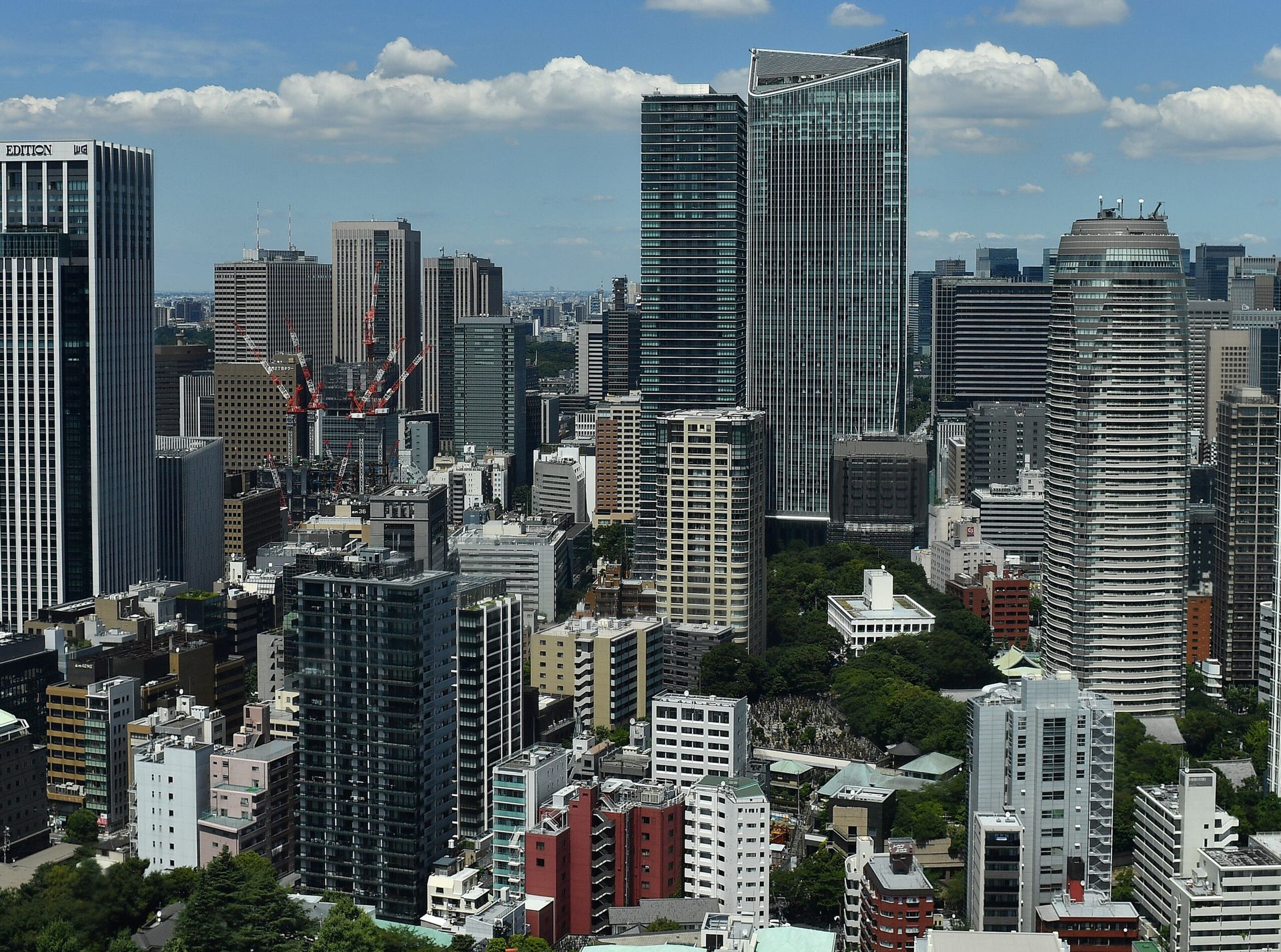
A general view from Tokyo Tower is seen of the city of Tokyo, Japan, August 6, 2021. Picture taken August 6, 2021. REUTERS/Clodagh Kilcoyne

Proposed revisions to Japan’s governance code that stress the need for efficient use of cash have raised expectations among investors that corporate hoarders will start to mobilise their $1.8 trillion money mountain.

The revisions, to be finalised in the summer, could see companies return more cash to shareholders or redeploy it for deal-making or growth investment, building on reforms over the past decade that have helped share prices reach record highs.

Makita set out its cash allocation policy explicitly for the first time this year, saying it will hold cash and cash equivalents at two to three months of sales, with excess funds to be used for shareholder returns and investment.

The tool maker pledged to return 50% or more of profit to shareholders and took into account the evolving governance code and requests from institutional investors, said Ryota Maruyama of Makita’s general affairs department.

“We recognise we are required to communicate with the market regarding the use of capital,” he said.

The governance reforms, from the Financial Services Agency and Tokyo Stock Exchange, come as firms have hoarded cash, a hangover from the bursting of the asset bubble in the early 1990s and the decades of deflation that followed.

Now, higher inflation rates are eating into the value of corporate cash mountains.

“Companies need to be more aggressive, and sitting on excessive cash is no longer acceptable,” said CLSA Securities strategist Nicholas Smith.

“If companies don’t get their share prices up they are much more vulnerable than they used to be – not only to activists but also to acquisition by other companies,” he also said.

Companies still do not have sufficient discussions regarding capital allocation, said Kaz Sakai, head of Japan research at London-based Asset Value Investors.

“Rather than a simple dichotomy of whether to hold cash or invest, strategic capital allocation is required,” he said.

Mizuki Suma, head of the legal and corporate governance team at Sumitomo Mitsui Trust Bank, said interviews of some 30 companies found growing recognition of the need for debate of capital allocation at board level.

BANKERS SEE M&A TAILWIND

Bankers expect the governance changes to support strong M&A momentum in Japan.

“As Japanese companies look to utilise their excess cash balances … we expect companies to look at M&A with targets which are strategic and accretive,” said Manoj Jain, co-founder of hedge fund Maso Capital.

“We have definitely found the willingness recently for Japanese corporates to divest to be unprecedented,” said Ellis Chu, head of Asia mergers and acquisitions at Jefferies.

“It’s having a seismic effect on sellside M&A activity,” he said.

ACTIVISTS PRESSURING COMPANIES

Activists, which are increasingly prominent in Japan, are already using the revisions to increase pressure on companies to utilise cash.

London-based Palliser Capital in April urged SMC Corp to buy back $3.8 billion worth of shares.

“SMC would demonstrate leadership in disciplined excess cash deployment ahead of the ​anticipated revisions to ⁠Japan’s corporate governance code,” Palliser told the factory automation firm.

Companies face a record number of activist proposals at shareholder meetings this year, while institutional investors are also more willing to vote against management than in the past.

Still, before the revision is even finalised, war in the Middle East has upended businesses, disrupting supply chains and pushing up energy costs.

In April, toilet maker Toto said it was postponing plans to use more cash for investment or to buy back shares.

“We will keep funds readily available so we can move quickly and inject capital when needed,” said President Shinya Tamura at Toto, which also makes chip-making materials.

Market watchers also emphasise the limitations of governance reforms alone.

“There are limits to what you can do with moral suasion and soft law,” said CLSA’s Smith.

“Unless you take away their tax breaks, it’s very difficult to force companies to do the right thing.”

Reuters

Bring stories like this into your inbox every day.

Sign up for our newsletter - The Daily Brief
Subscribe to Newsletter


This is your last free story for the month. Register to continue reading our content