BII commits over $400 million to green finance in SE Asia

BII commits over $400 million to green finance in SE Asia

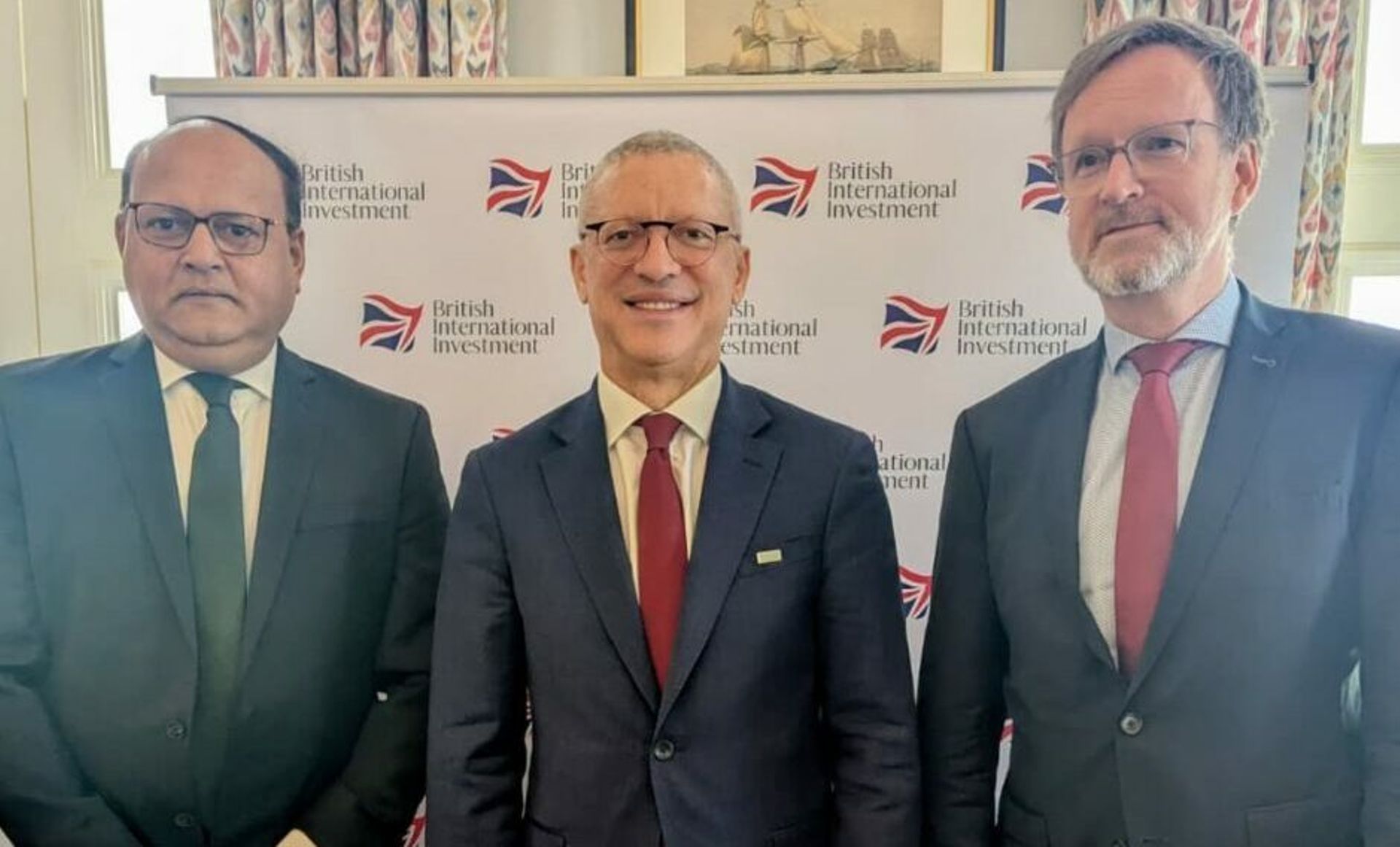
(L to R) Srini Nagarajan, Managing Director and Head of Asia BII; Leslie Maasdorp-CEO, BII; Holger Rothenbusch, Managing Director and Head of Infrastructure and Climate BII.

British International Investment (BII) has committed £308 million ($410 million) to climate finance in Southeast Asia, as it targets to invest up to £500 million in the sector by 2026, per an announcement on Tuesday.

BII’s investments are expected to deliver over 1.8 GW of clean energy capacity and avoid more than 1.6 million tonnes of greenhouse gas emissions, supporting the region’s green transition.

The UK government’s development finance institution alluded to the importance of Southeast Asia as one of the most climate-vulnerable regions globally and estimated that the region needs an estimated $210 billion annually for green infrastructure to meet its climate goals.

BII is stepping in not only with capital but with a patient and flexible approach to de-risk projects, demonstrate their commercial viability, and encourage market participation, it added.

The institution has attracted more than $139 million in private investment between 2022 and 2024.

“Mobilising commercial capital is a very strong focus for us going forward. In the past few years, we have not been as focused on this, so this number largely reflects coincidental investment alongside private investors. For example, when we invested in the funds, commercial investors also came in, and that formed part of the figure,” said Holger Rothenbusch, Managing Director and Head of Infrastructure and Climate at BII. 

Rothenbusch stressed that the DFI intends to be far more intentional about this. There will be a much stronger focus to generate significantly more commercial capital alongside their own, compared with what has been seen previously, he said, and they are examining the multiplier relative to the capital they bring.

“So, the question about the £500 million will increasingly be exceeded by the overall capital,” said the executive added.

BII chief executive Leslie Maasdorp said, “We are now going through a refresh of our strategy, and one of the most exciting areas in development finance today is the use of our capital to mobilise more commercial capital into the climate transition space. Over the next few years, you will see not only ourselves but other development finance institutions also aiming to use their capital and look for markets in which to do that.”

Asia for BII comprises South Asia (India, Pakistan, and Bangladesh) and Southeast Asia (Indonesia, Vietnam, and the Philippines). 

The DFI also has in its horizons smaller countries where they have a presence, such as Nepal, Sri Lanka, Cambodia, and Laos.

“Our total overall commitment in Asia till date is around $3.5 billion, and on average, we commit between $500 million and $750 million per annum. This is from 2012 in India and parts of South Asia that include Bangladesh and Pakistan, and in Southeast Asia from 2023. That is the broad commitment we have for the Asian region,” said Srini Nagarajan, Managing Director and Head of Asia at BII. 

In Southeast Asia, the DFI has invested in funds such as SUSI Energy, which was recently acquired by UK investment firm Gresham House Holdings Limited; Navis’s credit fund; and Clime Capital, to name a few. 

Nagarajan also touched upon Singapore’s Financing Asia’s Transition Partnership (FAST-P) initiative. This is a collaboration between Singapore and the UK to drive the clean energy transition and support the development of sustainable infrastructure across Southeast Asia.

BII has committed $60 million to the Green Investment Partnership (GIP) managed by Pentagreen Capital, to support green and sustainable infrastructure projects in Southeast Asia. GIP is an innovative blended finance vehicle under FAST-P that has secured $510 million in committed capital from global and regional private, public, and philanthropic institutions.

It will fund projects in sectors critical to decarbonisation and sustainable growth, including renewable energy, distributed generation, e-mobility, the circular economy, and emerging climate solutions.

Edited by: Joymitra Rai

Bring stories like this into your inbox every day.

Sign up for our newsletter - The Daily Brief
Subscribe to Newsletter


This is your last free story for the month. Register to continue reading our content