The Radical Fund, an early-stage climate technology investor focused on Southeast Asia, has announced the launch of an AI-native studio aimed at building new startups and helping portfolio companies expand into the Middle East.
The new unit, called The Studio, will sit inside Utopia Capital Management’s broader platform, which also includes The Radical Fund in Southeast Asia and A-typical Ventures in the Middle East, per the announcement.
The Studio is designed to provide hands-on product and commercial support in addition to capital, including access to “Utopia OS”, which the firm describes as a modular AI infrastructure layer intended to speed up iteration and compress the path from concept to Series A to under 24 months.
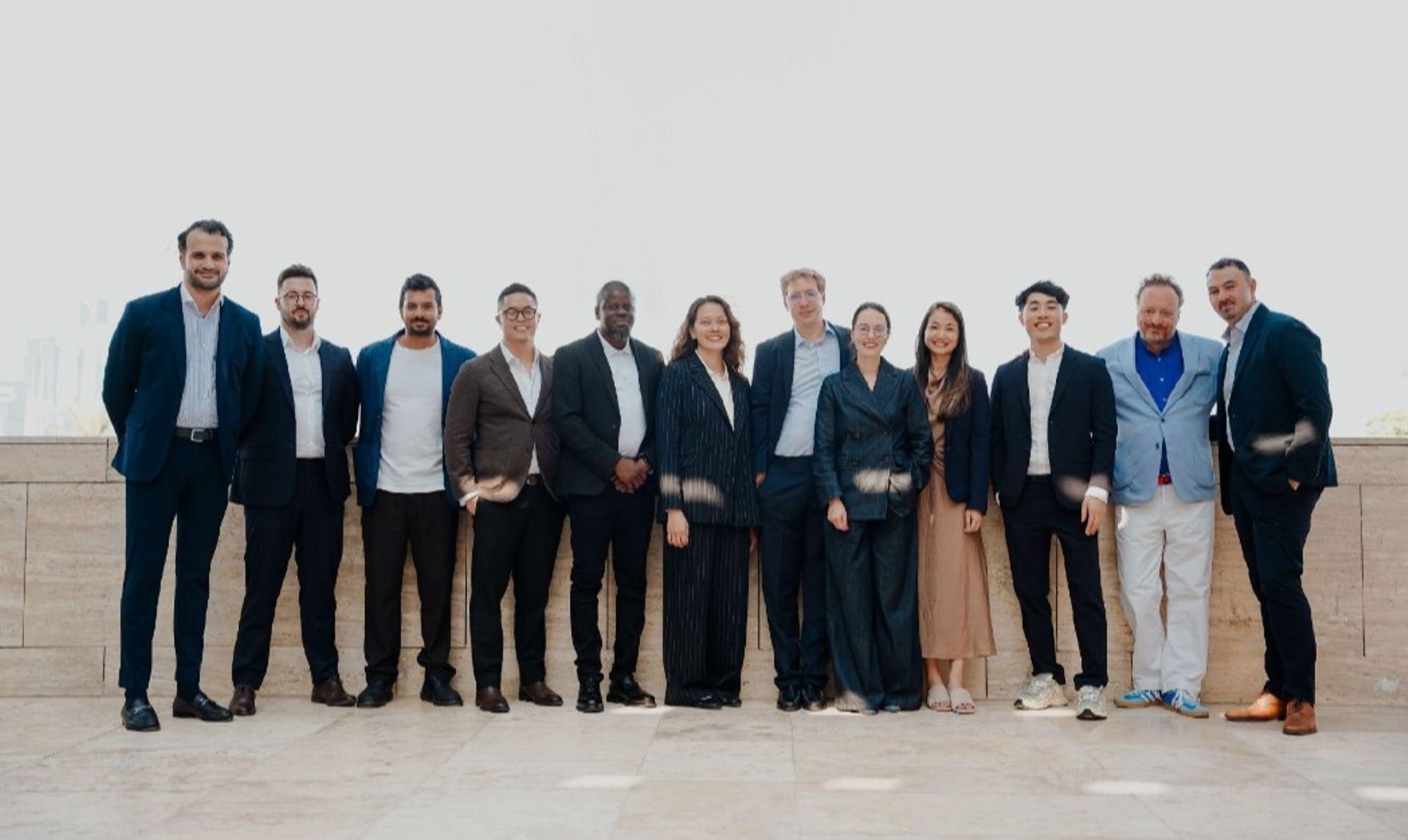
It will be staffed by a team of more than 12 people spanning product, AI/ML engineering, go-to-market, and operations, the company said.
“The Studio is the final piece of the puzzle in our UTOPIA platform, bringing together our funds, founders, and technology to efficiently scale ideas into investable ventures across the Global South,” said The Radical Fund managing partner Alina Truhina.
Launched in 2023, The Radical Fund focuses on pre-seed, seed, and pre-series A ventures. It has invested in 10 companies across Singapore, Indonesia, Malaysia, and Vietnam in sectors such as renewable energy, clean mobility, circular economy, and water, among others.
In August, it joined the seed funding in Waterhub, an Indonesian water-tech startup delivering affordable, portable drinking water. Some of its recent investments include Singapore-based nature tech company Arkadiah, and Okapi, an energy transition company in Malaysia.
Karan Pinto, a director at The Studio, said the venture builder plans to work with domain specialists, from healthcare to the built environment, and use what it calls “problem-oriented deep dives” to identify company-building opportunities.
“We focus on overlooked regionally relevant problems, grounded in needs that stay constant and do not change in the next decade, even as the underlying technologies and tools evolve so rapidly,” Pinto said.