Partner content in association with
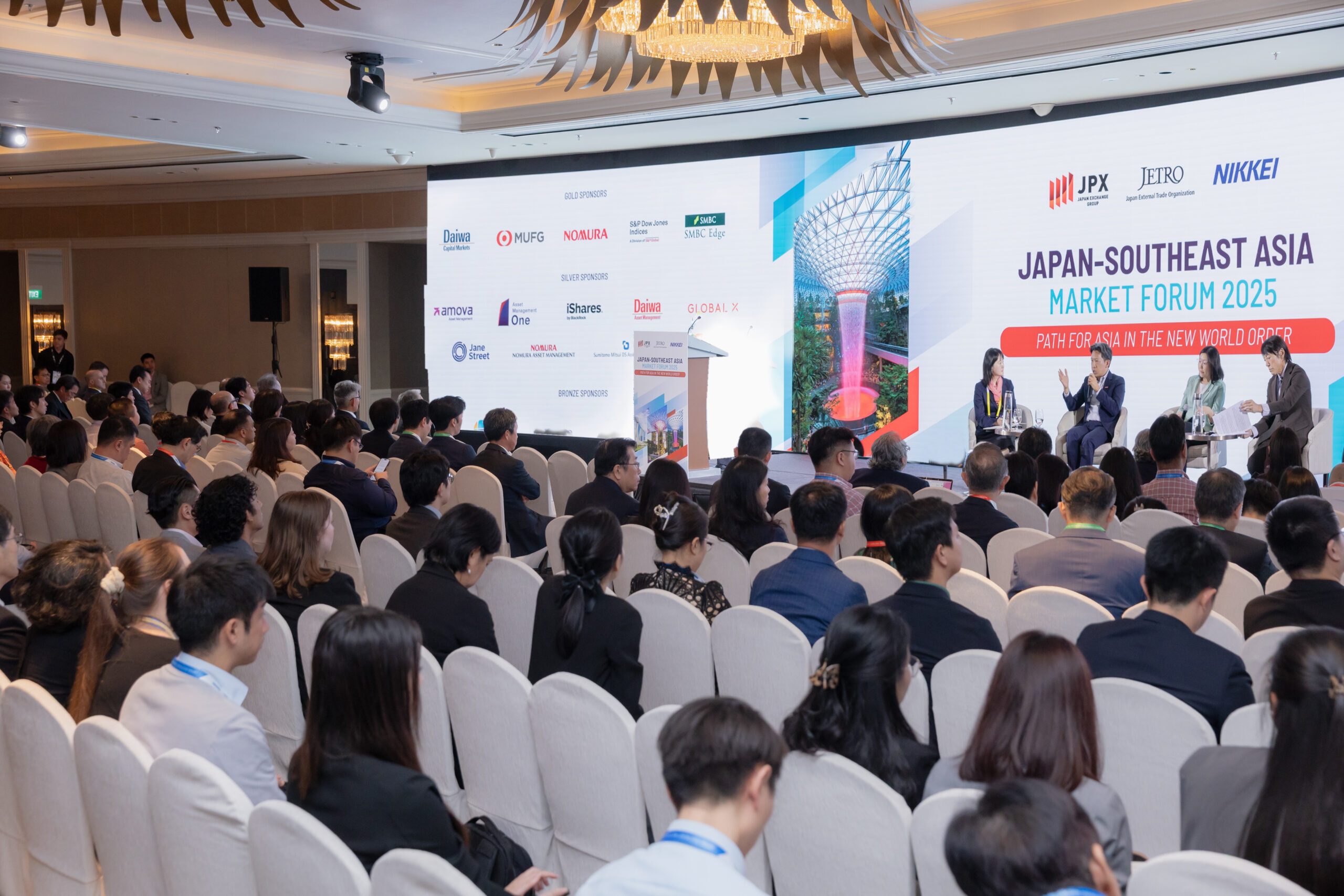
Japan-Southeast Asia Market Forum 2025: Path for Asia in the New World Order

Introduction
The tariff regime imposed by the Trump administration has unleashed several opportunities and challenges for the Asia-Pacific region.
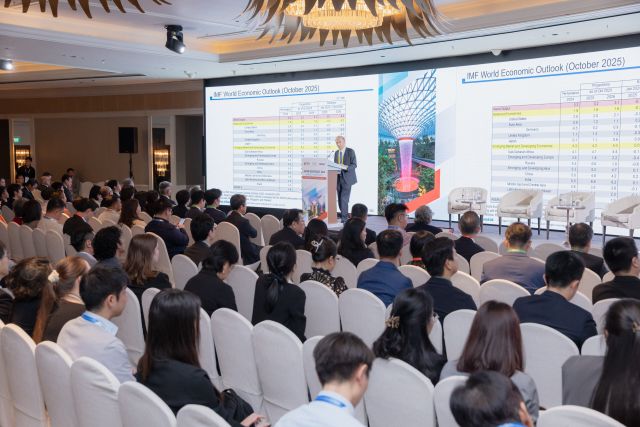
The fourth Japan-Southeast Asia market forum held on November 14, 2025 examined the synergies between Japan’s financial stability and ASEAN’s dynamic growth to navigate a complex, multipolar world. The discussions explored the impact of monetary policies, the potential for cross-border mergers, and the vital role of innovation.
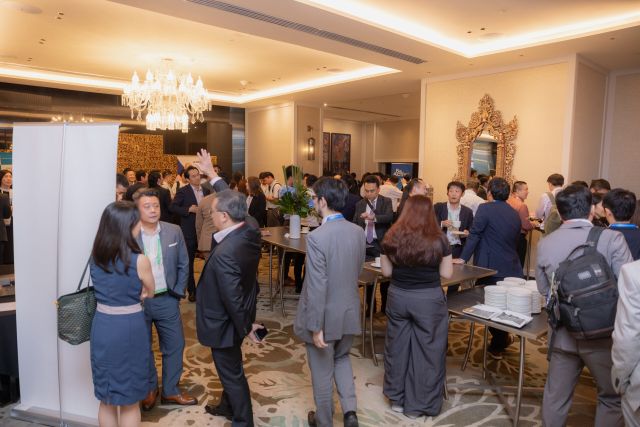
The event, hosted by the Japan Exchange Group (JPX) and the Japan External Trade Organization (JETRO) in partnership with Nikkei Group Asia, provided valuable insights from reputable speakers as well as networking opportunities for participants.
Opening remarks
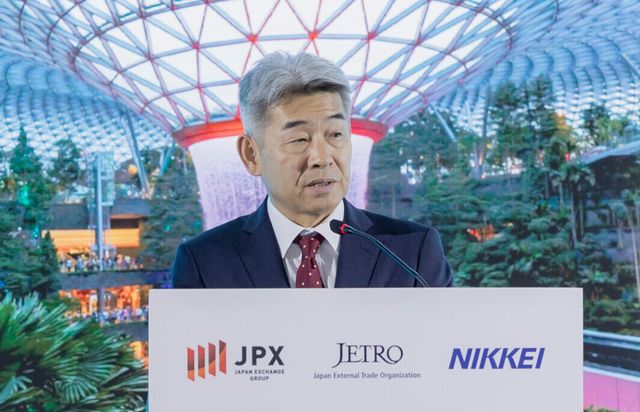
The opening remarks by Japanese Ambassador to Singapore Hiroshi Ishikawa highlighted the importance of cooperation, particularly against the backdrop of an uncertain geopolitical environment.
Ishikawa the need for countries to hold on to long-term partnerships based on shared values and principles rather than short-term gains.
While Japan brought capital, technology and connections to global industries, Southeast Asia, in turn, offers a dynamic talent pool, a thriving information ecosystem and expanding business opportunities. Ishikawa said, “By connecting these strengths even more closely and effectively, we can drive sustainable economic growth across the region. The partnership between Japan and Southeast Asia offers stability, innovation and mutual prosperity.”
Foreign and domestic investors contribute to record growth in the Japanese stock market
The Japanese stock market is attracting both global and domestic investor interest, reaching a 34-year high in 2024. Delivering a keynote address, Hiromi Yamaji, President and Group CEO of the Japan Exchange Group attributed these milestones to positive developments in the Japanese corporate landscape with an increase in capital expenditure, investments in labour saving technologies, digitalisation, and automation.
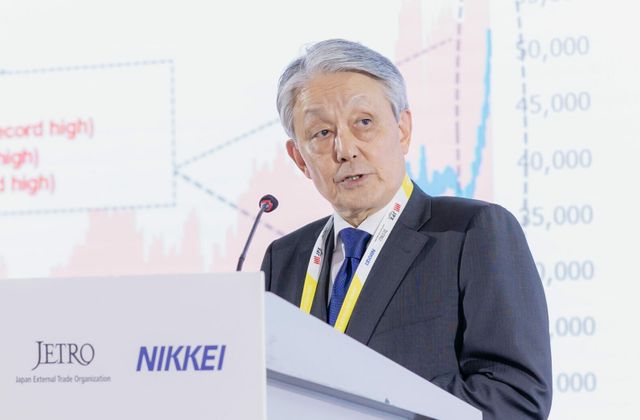
He pointed out, “Japanese companies have set a record high in net profit for four consecutive years. This year, the impact of the U.S. tariffs will be undeniable, but there are signs of improvement on balance sheets, and economic growth is expected.”
Renewed enthusiasm from domestic institutional investors has driven significant growth with an increase in their levels of engagement and commitment to stewardship. Another notable shift is Japanese retail investors moving their savings to investments under the Nippon Individual Savings Account (NISA). While introduced in 2014, NISA managed to attract ¥34 trillion ($218 billion) by the end of 2023. However, a significant expansion of NISA from the beginning of 2024 has moved the dial significantly. Over the last 21 months, NISA has attracted over ¥31 trillion ($198 billion) in investments. The momentum is being driven by the younger generation.
The aftermath of Liberation Day when U.S. tariffs were announced in April has affected investor confidence. Yamaji said, “Although the U.S. market and economy are currently thriving, many investors have started to diversify their portfolios. They are reallocating investments into Asian countries in a U.S.-plus-one strategy. Japan has emerged as one of the alternative investment destinations because of the size of its economy and market, abundant liquidity and rule of law.”
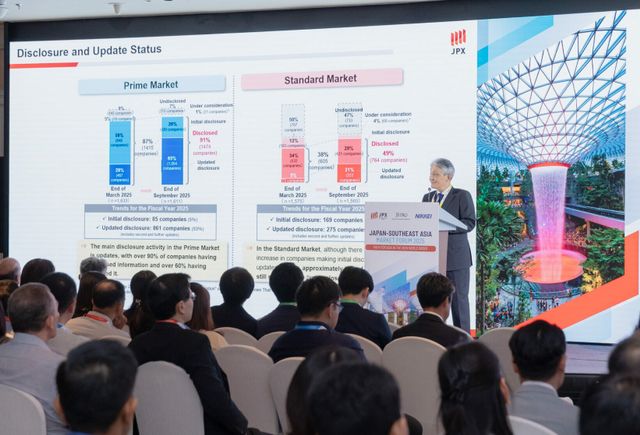
Statistics from the Tokyo Stock Exchange (TSE) provide clear evidence that foreign investors were net buyers of Japanese stocks for 17 consecutive weeks from the first week of April. Yamaji added, “After Prime Minister Sanae Takaichi was elected, foreign investors further increased their investment in Japan. Total purchases were ¥3.4 trillion ($21.8 billion) in October, which was the record high amount of net purchases by foreign investors in one month. Their confidence in the Japanese market is not without reason. Many foreign investors have noticed Japanese corporate governance reform is creating sustainable, voluntary changes in Japanese companies.”
While corporate governance reform has a long history beginning in 1999, it was given a fresh impetus through this decade. There are positive trends across traditional areas, like having independent board members, to more recent reforms around capital efficiency and share price. Yamaji says, “As a market operator, we are committed to continuing the corporate governance reform. This is just the beginning, not the end.”
Even as reforms continue, the TSE is already looking towards the next big drivers of growth. Through the TSE Asia Startup Hub set up in March 2024, the TSE market will play the role of incubator for Asian startups. So far, 20 startups, leading figures in innovative sectors, including drones, fintech and AI, have been selected from seven different countries/regions across Southeast Asia, South Korea and Taiwan. Yamaji said, “The hub is a sign of our commitment to our partners all around the region, to make our Asian market more attractive and bring more global investors.”
Yamaji sees that “the potential and hidden value of Japanese companies, which everyone knew existed, is finally revealing itself. There is room for improvement in Japan, which is precisely why it is an attractive investment opportunity. You will continue to see that momentum: we are committed to improving our initiatives.”
From dollar volatility to dealmaking: Daiwa’s Hiroshi Nakaso outlines Japan’s economic outlook
When the United States announced its tariff regime on April 2, there was a brief period when the value of dollar assets plunged simultaneously across the board. The exchange rate vis-à-vis other currencies has been sliding since January and has only just stabilised. Hiroshi Nakaso, Chairman of the Institute, Daiwa Institute of Research said, “The shift in the global economic order is expected to accompany changes in global capital flows…These adjustments are ongoing at a delicate time in the run-up to year-end and demand for funding liquidity grows stronger.”
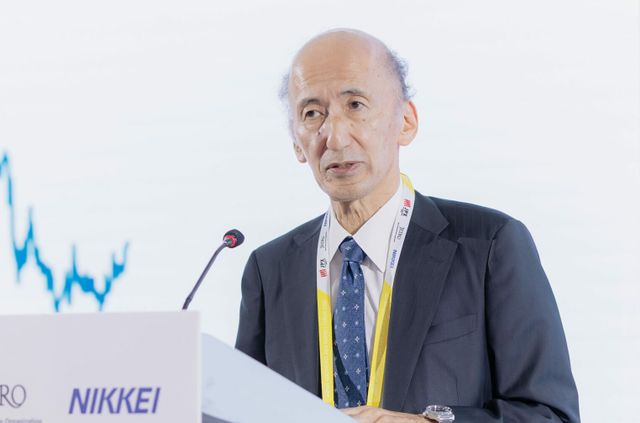
Japan embarked on monetary policy normalisation in March 2024 by doing away with all its unconventional monetary policy measures. Nakaso said, “The Bank of Japan faces heightened uncertainties caused by Trump 2.0 policies. I think they will resume policy rate hikes once they restore confidence in the economic and inflation trajectory to move in line with their projections.”
He cautioned that the monetary policy in Japan needs to be vigilant about the upside risk of inflation and said, “Real interest rates, which take account of inflation rates, remain negative both for short- and long-term interest rates. Therefore, another couple of rate hikes will not materially change the accommodative monetary condition in Japan.”
Nakaso also anticipates a surge in M&A activity. He said, “A lot of M&As are in the pipeline, as corporate firms realign their business portfolios. One of the drivers is the shift to a new and stricter set of JPX continuation criteria for listed companies. Since there may be companies particularly in the growth market that will be left behind, this is expected to provide ample investment opportunities for M&A including management buyouts (MBOs) in the coming years.”
The policies transforming Japan into a leading asset management centre
Recently announced government policies will play a vital role in promoting Japan as a leading asset management centre. Jutaro Kaneko, Deputy Commissioner for International Affairs, Financial Services Agency, Japan said, “The newly inaugurated Takaichi Cabinet has set forth its commitment to continuing initiatives to shift from savings to investment.”
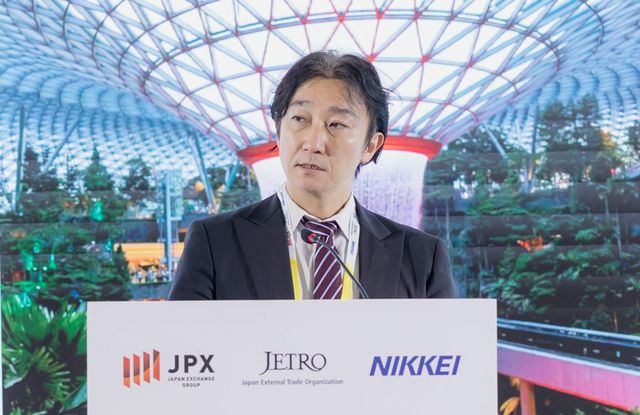
A reformed and revitalised NISA was launched in January last year. By the end of June this year, the number of accounts had increased to over 26.96 million, with the investment purchases totalling ¥63 trillion, which has exceeded the government target of ¥56 trillion by the end of 2027. Kaneko noted, “A high retention rate was observed in the 2024 NISA investments, suggesting the concept of long-term, accumulative and diversified investment is becoming somewhat widespread.”
Subsequently, he stated, “The Amendment Act on Provision of Financial Services came into effect in November last year. This law obligates businesses providing financial services to conduct their business in a sincere and fair manner, while considering the best interests of customers. We expect financial institutions that structure and sell financial products to thoroughly understand their customers’ true needs and attributes, seriously consider what advice and proposals would best serve their customers, and strive to provide financial products and services that align with the best interests of their customers.”
Navigating the investment risks and opportunities in a multipolar world
A multipolar world with simmering tensions between the world’s largest economies, a technological arms race around AI and macroeconomic instability are some of the geopolitical risks that were highlighted in a panel discussion on the future of the international order.
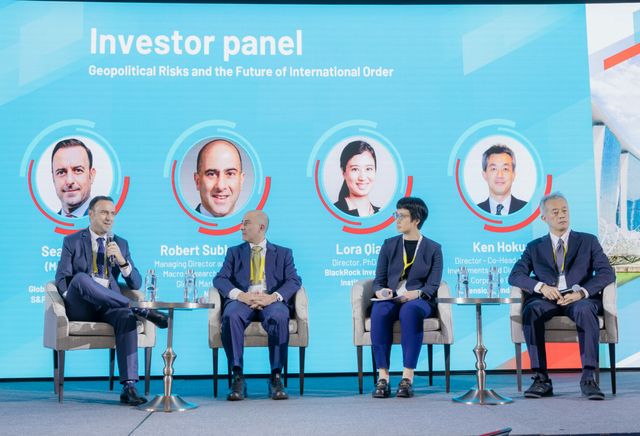
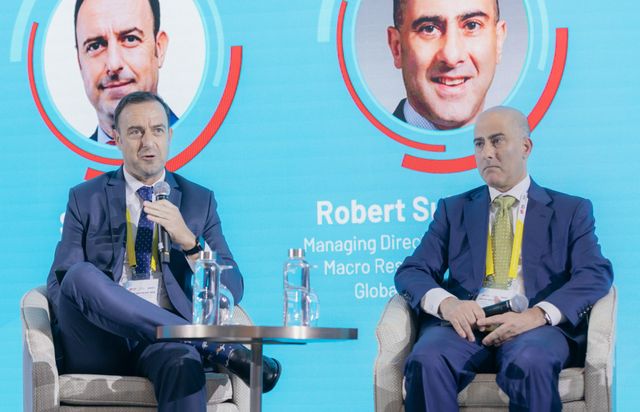
While perhaps too early to gauge the full impact of the Trump administration’s America First policies, some experts believe the initial impact is not as bad as expected. Robert Subbaraman, Managing Director and Head of Global Macro Research and Co-Head of Global Markets Research, Nomura said, “One of the most striking things is how resilient economies have been. They are still growing at a reasonable rate.”
A more sobering assessment pointed to the emergence of a multipolar world — different from the Cold War era or globalisation that followed in its wake. Lora Qian, Director, PhD, CFA, BlackRock Investment Institute, likened the state of play between China and the United States as “interdependent competition.”
The session moderator, Sean Freer, Director, Global Exchange Indices, S&P Dow Jones Indices, asked the panel about how these developments could affect access to AI, critical minerals and other key resources. He said, “What investment implications do you see broadly from these trade disputes and tariffs?”
Despite a tense geopolitical environment, there are opportunities for finance companies to embrace this bifurcated world. For instance, in sectors such as rare earth supply chains and AI technology. While China currently dominates the rare earth refining process, Qian saw opportunities for G7 allies such as Japan and Australia, who have made investments in these areas, to emerge as trusted suppliers. She said, “Japanese companies produce very niche components for the AI technology supply chain. It may take two to five years, but eventually Japan, Australia and other countries may crack heavy rare earth processing, which is another investment opportunity.”
There are several indicators of Japan being among the countries best poised to successfully navigate these geopolitical tensions. Exiting deflation and improvements in corporate governance have been viewed as encouraging signs by investors. Among the risks the market must contend with is an aging labour force. Ken Hokugo, Director – Co-Head, Hedge Fund Investments and Director – Co-Head, Corporate Governance, Pension Fund Association said, “People talk about ‘sustainability’ all the time, while there is a super important and imminent ‘sustainability’ issue managements do not talk about. As head of corporate governance, I always ask senior corporate executives ‘What are you going to do about human capital, or the labour force which is destined to shrink substantially over the next 20 years?’ Thanks to increasing interest from foreign and domestic investors, companies are starting to move towards better governance, better compensation and better shareholder value.. One example of such improvement is disclosure on human resource strategies. Some companies go beyond requirements and disclose the result of the ‘employee surveys’ which demonstrates how seriously the management has started to listen to investors.”
A different take on the labour crisis comes from Subbaraman who believes this is an opportunity for the greater adoption of AI. He said, “The United States has been the big enabler of AI, with data centres and so forth, but who is going to adopt these solutions? Japan has the most incentive. They need labour-saving investments, automation and productivity.”
Other risks looming on the horizon include unchecked inflation, which could result in a push towards nationalism and securing resources, and protectionism. While the possibility of a G7 economy defaulting is remote, governments could put more pressure on central banks to start quantitative easing, which in turn could lead to more inflation.
There is also a question mark surrounding alternative asset classes including gold and crypto assets. Hokugo believed it was a good opportunity for global macro strategy hedge funds. He said, “For the past 20 years, the JGB market has been sedate. Now, they are interested in the interest rates at play and are making money for hedge funds.”
Subbaraman concluded, “It is a very uncertain world today, and so investors should reconsider asset allocation for short-, mid- and long-term capital.”
Beyond Japan: Football legend Keisuke Honda on founders, failures and accelerating global expansion
With football superstar Keisuke Honda at its helm, X&Circle is not a business-as-usual VC firm. In a fireside chat with Benjamin Emmanuel Lee, Founder & Executive Director, Sealed Network, Honda, who is also GP in X&KSK, a fund focused on Japanese entities, discussed his approach to investing in startups and his expectations from them.
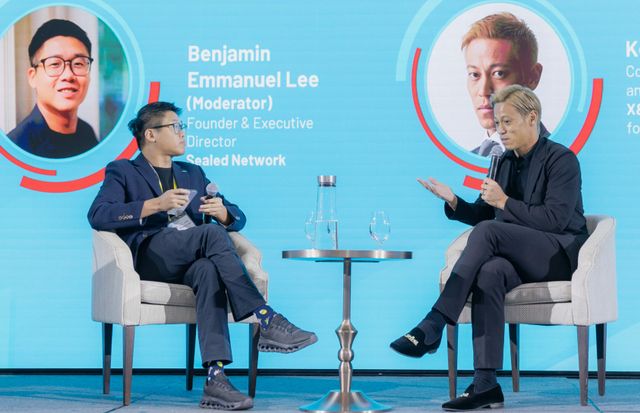
Honda is clear that for a startup, the dream of being a unicorn is no longer enough. He said, “From day one, the startups need to think about becoming a global company, and have bigger targets, dreams and passion. The minimum requirement is for them to grow superfast, not only in Japan but also outside the country. X&KSK’s job is to help with this expansion.” The firm connects Japanese startups to global investors and partners and sometimes even helps with hiring.
Asked about his formula while picking a founder or entrepreneur, Honda believes a lot can be learnt from how they handle setbacks. He said, “I ask founders many questions about previous failures and how they have overcome difficulties. Startups will fail, or pivot, or maybe team members will quit. The founder’s role is very lonely. But he needs to move past those difficulties.”
Honda has also been trying to accelerate the funding process in the traditionally slow-moving Japanese venture capital market. Speed is a particularly important factor as Japanese companies consider acquisitions as an avenue for growth and step into the fray against global competition. Offering a perspective on this change, Honda said, “We have many great companies like Toyota, and they have large cash reserves. With the crisis in Japan around population and other numbers going down, those powerful Japanese companies, and some founders and CEOs, feel they need to acquire companies outside Japan. I want to support those companies because if they go down, Japan won’t be the Japan we have today. We will face a very difficult situation.”
Building effective partnerships for sustainable growth
Collaborations between different geographies and groups are essential to achieve ambitious developmental goals in areas like digitalisation and sustainability, particularly since such goals are impossible to achieve without cross-border partnerships and private-public arrangements. Panellists representing finance, trade promotion and infrastructure discussed ways to make these collaborations work in a panel discussion moderated by Fujiko Amano, Director for Investment Collaboration, Investment Facilitation Division, Ministry of Economy, Trade and Industry, Japan.
Osamu Abe, Chief of Staff for Asia Pacific, MUFG Bank said, “At one point, the Western argument was that coal exposure should be reduced as quickly as possible, ‘don’t get anywhere near coal.’ We turned the discussion around to say that for APAC, we need a longer-term vision, with risk capital to help the transition.” Successfully bringing the two discussions, he believed, would lead to investments both from and into Japan.
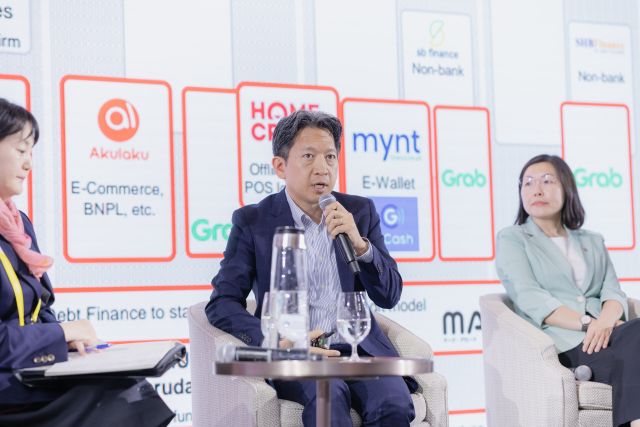
In addition, MUFG emphasises a long-standing commitment to partnership and co-creation as a foundation for regional development. The bank deploys capital via its 52 branches, but notably through partners in key markets such as Bank Danamon in Indonesia, Security Bank Corporation in the Philippines, Bank of Ayudhya in Thailand and Vietin Bank in Vietnam. Abe said, “These constitute over 3,000 offices throughout the region. We connect the majority of our Japanese clients who represent the Japanese economy with the local economy including retail and mid to small companies.”
Fintech has been a particular area of focus via both the bank’s funds, such as the Dragon Fund, as well as direct investments. Abe said, “We aim to serve as a hub that connects these diverse entities and opportunities, truly supporting and enhancing intercultural and international investment.”
A critical element to all collaborations is a broad strategic alignment on goals and objectives. Cheryl Chan, Group Chief Strategy and Sustainability Officer and President, New Ventures, ST Engineering focused on other important aspects highlighting the need to protect IP. She said, “Different parties who wish to bring the best in technology must find an angle where they can collaborate to create or co-create solutions. The increasing complexity of challenges that we face today requires many companies to come together.”
The other aspect Chan highlighted was transparency in governance. Support at a government level is just the starting point to building a business model. Chan said, “It also helps to think of the other elements. The talent pool, or a skilled workforce, is among the critical aspects for cross-border collaboration.”
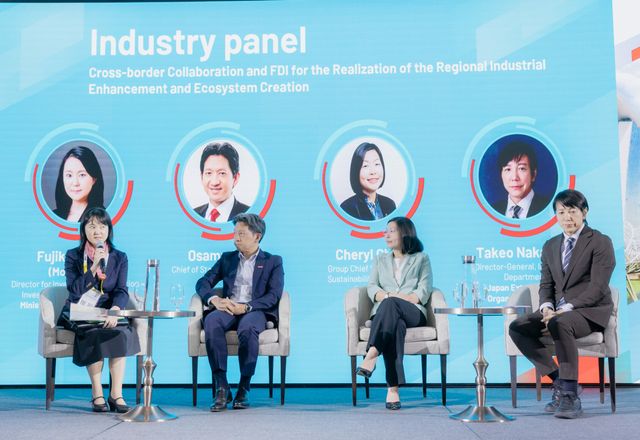
Other vital elements are providing a welcome environment with an ecosystem that facilitates business and a leadership within a geography committed to solving problems. Takeo Nakajima, Director-General, Innovation Department, Japan External Trade Organisation (JETRO) said, “Local governments and industry organisations should take concrete actions to attract Foreign Direct Investment, open innovation and global talents. Merely showing information on a website is not enough.”
Assessing ASEAN: Why the timing is right for Japanese firms to pursue the Southeast Asia opportunity
Yinglan Tan, Founding Managing Partner, Insignia Ventures Partners had an interesting perspective on the deepening ties between Japan and Southeast Asia. He said, “One of our macro-observations is that there is a strong synergy that can be created between Japanese corporates with strong balance sheets seeking growth and Southeast Asia’s fast-growing startups seeking capital.” Tan was speaking in a panel discussion on fostering collaboration and innovation between Japan and Asia.
Several models of such collaboration have already begun to emerge. At Insignia Ventures, five of its Southeast Asian companies – Surfin, Intellect, Tonik, Rainforest and Shipper – have been selected by the Tokyo Stock Exchange Asia Startup Hub. Tan said, “We see many interesting Japanese companies that could be the next Nintendo or Rakuten – international and globally renowned companies. Singapore could serve as a base for these companies with multinational ambitions.” Tan added, “Our portfolio of more than 90 companies, among which we have several unicorns, can be a good partner to these Japanese companies for distribution, alliances and licenses.”
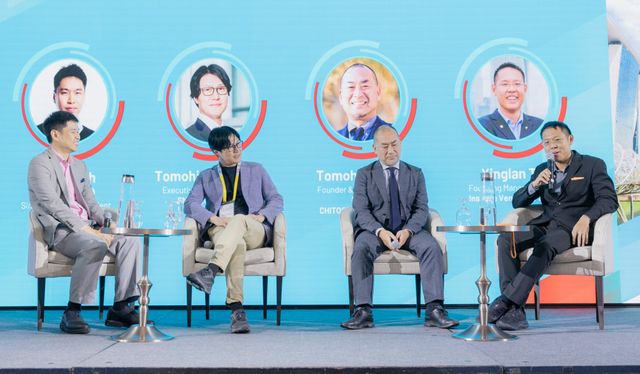
Tomohiro Fujita, Founder & Chief Executive Officer, CHITOSE BIO EVOLUTION, the holding company of CHITOSE Group, picked Singapore for the group’s headquarters while concentrating its biotech R&D facilities in Japan. Singapore was chosen as the perfect base for CHITOSE Group to expand into the wider markets of Southeast Asia and India. The Southeast Asia headquarters also allows the company to gain insights into its potential audience. Fujita said, “While Japan is very stable, people within ASEAN crave novelty. We must be thoughtful to understand not just our customers but employees, investors and shareholders.”
For Tomohiro Miyasaka, Executive Managing Director, SMBC Edge Co., Asia and Japan are both key investment destinations. Miyasaka said, “Our mission is to be a bridge between Japan and Southeast Asia. Apart from financial support, we also bring technology from the Japanese enterprise side to focus on the Southeast Asian market. Many Japanese enterprises and startups want to try the Southeast Asian market.”
For Japanese companies, looking overseas is mission critical given the declining population in the home market. Miyasaka observed, “Large enterprises want to go beyond Japan, and an option is Southeast Asia and sometimes India. They want to enter markets potentially through investment and acquisition. The other trend is startups preparing for IPO who wish to get into a new market and consider Southeast Asia an option.”
He recommended entering Southeast Asia given its impressive long-term potential. He said, “Maybe there will be a temperature change as we have seen in India and an IPO market will emerge, especially in Singapore. And of course, Southeast Asian startups can go into Japan to get the revenue from Japanese enterprises.”